A genius is a man who can do the average thing when everyone else around him is losing their mind. ~Napoleon
Picture this: Tomorrow, just as you’re having lunch, you get a call. You answer, and a man on the other end tells you that you’ve won $10,000,000. What would you do with it?
If you’re like most people, your first thoughts might be: “I’ll buy a Ferrari,” “I’ll take a luxury vacation,” or maybe even, “I’ll buy a yacht.” Deep down, though, you know these aren’t the smartest choices if your goal is long-term wealth. So why would you think this way?
Why do so many lottery winners end up broke? The answer is surprisingly simple: They often gamble their winnings away. But the real question is, why would someone who got so lucky once take that risk again?
Let’s explore.
No One’s Crazy
Your personal experiences with money make up maybe 0.00000001% of what’s happened in the world: but maybe 80% of how you think the world works.
This principle applies not just to money but to almost everything in life. Our worldview is shaped by our personal experiences. Here’s a classic example: cars vs. planes.
In Italy, where I live, 3,039 people died in car accidents in 2023. In contrast, just six people died in plane crashes that same year. Even considering that more people drive cars than fly, the difference is staggering. Yet, most people are far more afraid of flying than driving.
Why? Because our fears and perceptions are based on personal experiences and the stories we tell ourselves, not objective statistics.
Likewise, people who win the lottery often believe they could win again. “It happened once,” they think, “so why not again?” You might not agree with their logic, but it’s easy to see why someone in their position would think this way.
We’re all human, after all: and that’s why…
Reasonable > Rational
Aiming to be mostly reasonable works better than trying to be coldly rational.
Humans aren’t robots. We often forget that. It’s unrealistic to expect ourselves to be perfectly rational when managing our money and investments.
You might use the most logical investment strategy ever devised, but that doesn’t mean you’ll sleep well at night.
Instead of aiming for pure rationality, aim to be reasonable. Choose strategies that align with how you think and feel: ones you can stick with over the long term.
For example, in the U.S., the historical odds of making money in the stock market are:
- 50% in a single day
- 68% in a year
- 100% over 20 years
If you stay in the game long enough, you’ll make money: no matter what happens in between.
But staying in the game requires more than just a reasonable plan. It also requires understanding that, since you’re human…
You’ll Change
Long-term planning is harder than it seems because people’s goals and desires change over time.
You may not realize it, but you’ve already changed: and you’ll keep changing.
Think about it: What you wanted as a kid is probably very different from what you want now. And what you’ll want in 20 years will likely differ from what you want today.
The solution? Avoid extremes when making financial decisions. Leave room for flexibility.
This way, when your circumstances and priorities inevitably shift, you’ll be prepared.
Conclusion
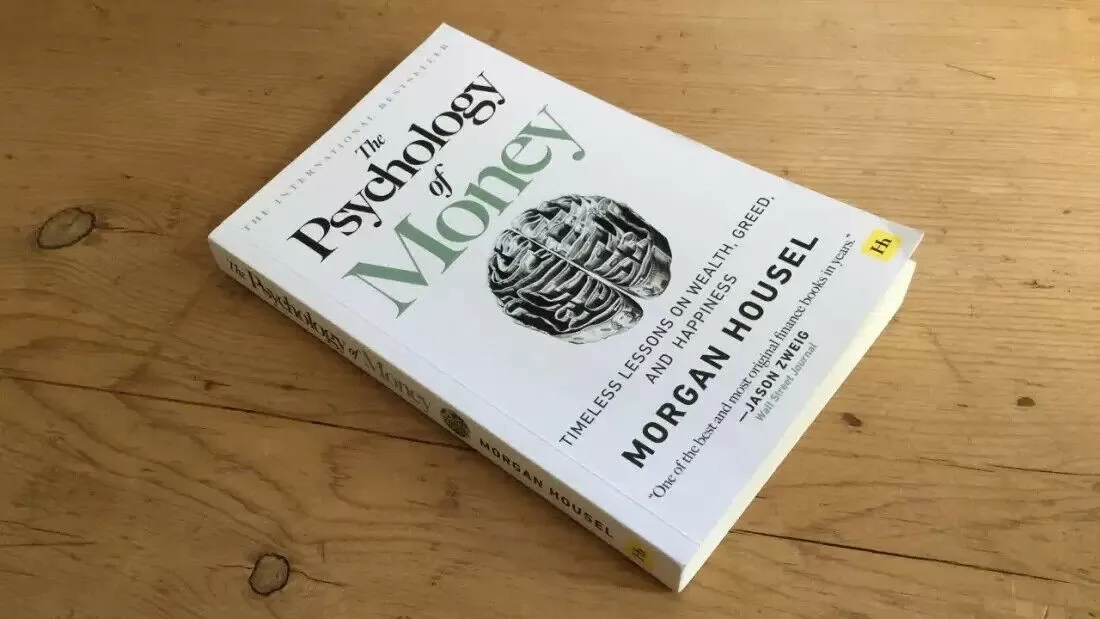
Money isn’t just numbers on a spreadsheet: it’s deeply tied to how we think, feel, and see the world. The Psychology of Money reminds us that financial success isn’t just about making the “right” decisions; it’s about understanding ourselves and the sometimes irrational ways we approach money.
We’ve seen how No One’s Crazy. Everyone’s decisions make sense through the lens of their own experiences. We’ve also learned that Reasonable > Rational, and that plans need room to adapt because, well, we’re always changing.
But honestly, we’ve only scratched the surface of what this book has to offer. Morgan Housel doesn’t just deliver financial wisdom: he weaves in life lessons about people, behavior, and the quirks of human nature. It’s the kind of book you read not just to understand money better, but to understand yourself and others, too.
At the end of the day, money is just a tool. Whether you win $10,000,000 tomorrow or slowly build your wealth over decades, what truly matters is how you use it to create the life you want.
So, what would you do with your ten million dollars?